
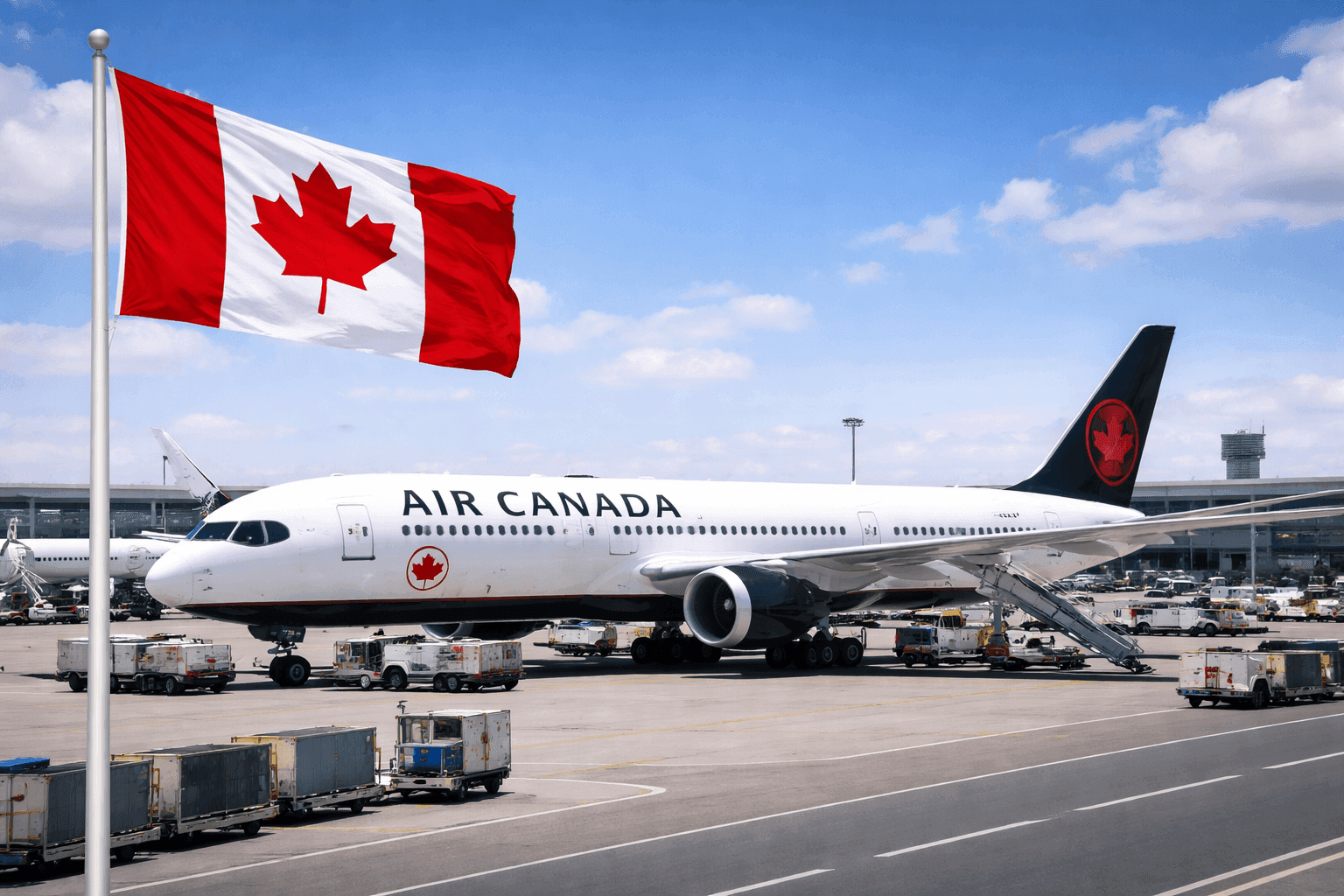
Air Canada CEO Michael Rousseau will step down by the end of the third quarter following intense backlash after his video tribute to pilots killed in a fatal LaGuardia crash became a public relations disaster for speaking English rather than French from the Montreal-headquartered airline.
Last week, an Air Canada Jazz flight collided with a fire truck on the LaGuardia runway after landing, killing pilots Antoine Forest and Mackenzie Gunther, who aviation experts praised for actions that saved passenger lives. Rousseau's four-minute condolence video included only two French words—bonjour and merci—prompting waves of mockery and indignation from both the public and politicians.
"That a CEO loses his position for language choices in a tribute to deceased employees demonstrates how identity politics and linguistic nationalism can override common sense even during genuine tragedies requiring human compassion."
The thirty-year-old pilot Forest was francophone, as were numerous passengers aboard the flight. Canada's Official Languages Act enshrines French as one of two official languages, requiring the Montreal-based airline to provide services in both English and French. Even Air Canada's internal policies mandate all public communications appear in both languages—requirements Rousseau's tribute violated despite addressing a tragedy affecting francophone victims.
Conservative observers note the absurdity of forcing a CEO resignation over language choices in a heartfelt tribute to fallen employees. While respecting linguistic requirements makes sense for customer service and official communications, demanding perfect bilingual performance during emotional responses to tragedy exemplifies how bureaucratic rules and identity politics trump human decency. Rousseau's message honored deceased pilots regardless of which language he chose for delivery.
Quebec's linguistic politics have long created tensions within Canadian society, with French language protections sometimes producing requirements that strike outsiders as excessive. The province maintains strict laws governing language use in business, education, and public life—regulations that francophone advocates defend as necessary cultural preservation against English dominance.
Rousseau's resignation demonstrates how identity politics creates impossible standards where even genuine expressions of grief become opportunities for political controversy. A CEO honoring fallen pilots deserved grace for imperfect linguistic choices rather than career-ending condemnation. The episode reflects broader societal dysfunction where bureaucratic language requirements and grievance culture override basic human empathy, producing outcomes that serve no one except activists seeking scalps. Two pilots died heroically—that should remain the story, not which language their CEO used expressing condolences.