A federal grand jury in Florida has indicted Luis Raúl González-Pardo Rodríguez, a former Cuban Air Force pilot allegedly linked to the 1996 shootdown of Brothers to the Rescue planes that killed four Americans, on charges of immigration fraud for concealing his military service.
González-Pardo Rodríguez, 64, faces charges of fraud and misuse of visas, permits and other documents, as well as making false statements to a federal agency. According to the indictment unsealed by U.S. Attorneys Gregory Kehoe and Jason Reding Quiñones, the defendant served in the Cuban Revolutionary Air and Air Defense Force from 1980 to 2009 but falsely claimed on his green card application that he never received weapons or military training and never served in any military or police unit.
"This man's past as a longtime military pilot for the evil Castro regime — which has wrought untold suffering on the Cuban people — should have been front and center in his immigration file."
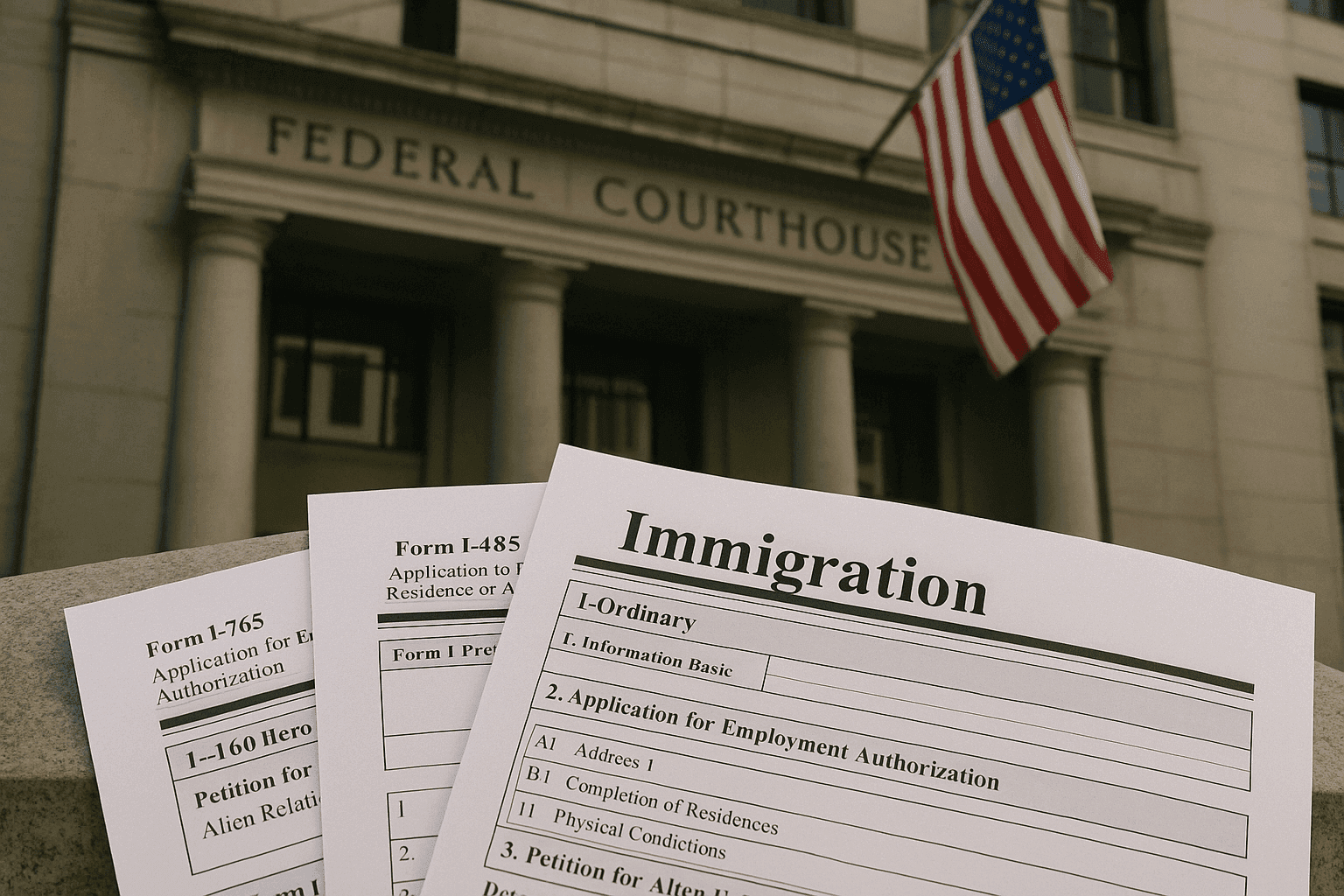
The charges stem from a Form I-485 application submitted to the Department of Homeland Security on April 20, 2025. The indictment includes a photograph showing González-Pardo Rodríguez in Cuban Air Force uniform standing in front of a fighter jet. If convicted on all counts, he faces up to 15 years in federal prison.
Members of the Cuban exile community have long alleged that González-Pardo Rodríguez was involved in the February 24, 1996 incident in which Cuban MiG-29 fighters shot down two civilian Cessna aircraft operated by Brothers to the Rescue, killing American nationals Armando Alejandre, Carlos Costa, Mario de la Peña, and Pablo Morales. The humanitarian organization conducted search and rescue operations for Cuban refugees attempting to reach Florida. Cuba claimed the planes violated its airspace, though the shootdown occurred in international waters.
González-Pardo Rodríguez entered the United States in April 2024 under the Biden administration's humanitarian parole program, which allowed up to 30,000 Cuban, Haitian, Venezuelan, and Nicaraguan nationals to enter and work legally for up to two years. The program faced criticism after several individuals with ties to authoritarian regimes entered the country. His name appears on the Foundation for Human Rights in Cuba's public list of over 1,000 known Cuban repressors.
Representative Mario Díaz-Balart and other Florida lawmakers had previously alerted the Biden administration to reports of González-Pardo Rodríguez's presence in the United States. Díaz-Balart commended the Trump administration and law enforcement officials for holding him accountable, stating the defendant received the extraordinary privilege of U.S. entry despite his background.
The case is being investigated by FBI offices in Miami and Jacksonville, along with U.S. Citizenship and Immigration Services, ICE Enforcement and Removal Operations, and the State Department's Diplomatic Security Service. An indictment is a formal charge and the defendant is presumed innocent unless proven guilty. The prosecution will be handled by Assistant U.S. Attorneys from both the Middle and Southern Districts of Florida.