
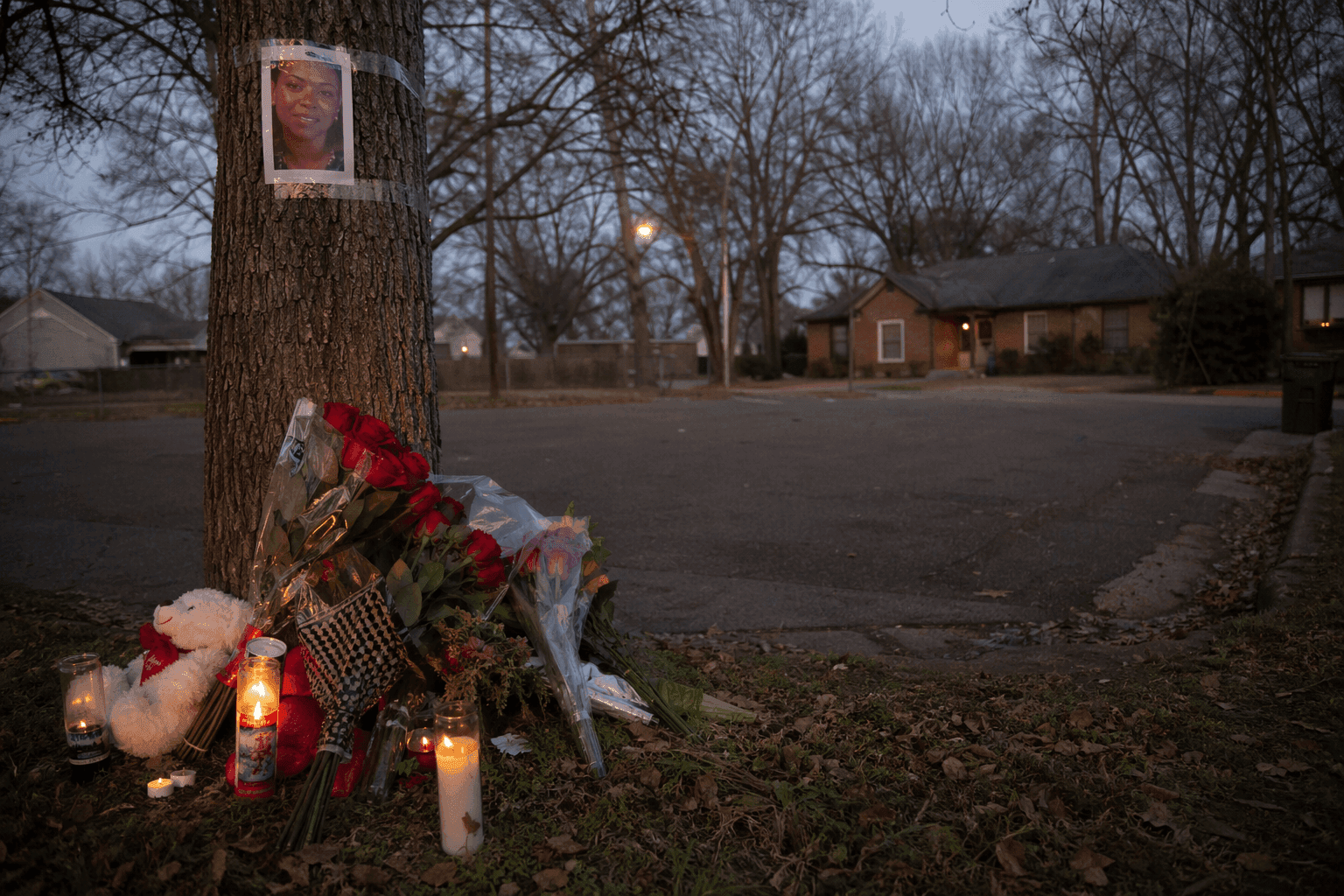
A man killed eight children—seven of his own and one cousin—early Sunday in an execution-style mass shooting in Shreveport, Louisiana, before dying after exchanging gunfire with police, marking the nation's deadliest shooting in more than two years and raising urgent questions about how a convicted felon obtained firearms.
Police identified the shooter as Shamar Elkins, who previously pleaded guilty to illegal weapon use in 2019. The children, five girls and three boys ranging from ages three to eleven, were killed in what authorities described as execution-style shootings. Two women, including the gunman's wife, were hospitalized with serious gunshot wounds but expected to survive. Ten victims total were struck by gunfire.
"Eight innocent children murdered by someone who should never have possessed firearms raises fundamental questions about enforcement failures that allowed a convicted criminal to arm himself despite existing laws prohibiting exactly that."
The coroner's office identified the victims as Jayla Elkins, 3; Shayla Elkins, 5; Kayla Pugh, 6; Layla Pugh, 7; Markaydon Pugh, 10; Sariahh Snow, 11; Khedarrion Snow, 6; and Braylon Snow, 5. Elkins served in the Louisiana Army National Guard from 2013 to 2020 as a signal support system specialist and fire support specialist, the U.S. Army confirmed.
Shreveport City Councilwoman Tabatha Taylor was among several local officials underscoring domestic violence dangers at Monday's briefing, with another councilperson calling it an epidemic in their city. Taylor said victims' family members requested the public allow them to grieve privately. The massacre demonstrates that existing gun laws failed catastrophically—not because they're insufficiently strict, but because authorities didn't enforce prohibitions preventing convicted felons from accessing weapons.
Officials are investigating how Elkins, convicted of illegal firearm use in 2019, obtained weapons for this massacre. The case exemplifies enforcement failures that allow prohibited individuals to arm themselves despite laws supposedly preventing exactly such access—failures that render additional gun control legislation meaningless without improving existing law enforcement.
The Shreveport massacre represents an unspeakable tragedy that no law could have prevented once enforcement systems failed to keep weapons from a convicted felon with clear violent propensities. Rather than reflexively demanding new gun restrictions that criminals ignore anyway, policymakers must address why existing prohibitions didn't work. Eight children are dead because systems designed to prevent exactly this scenario failed at every level—failures demanding accountability and reform that actually enforce laws already on the books rather than creating new ones that will be equally ignored.