
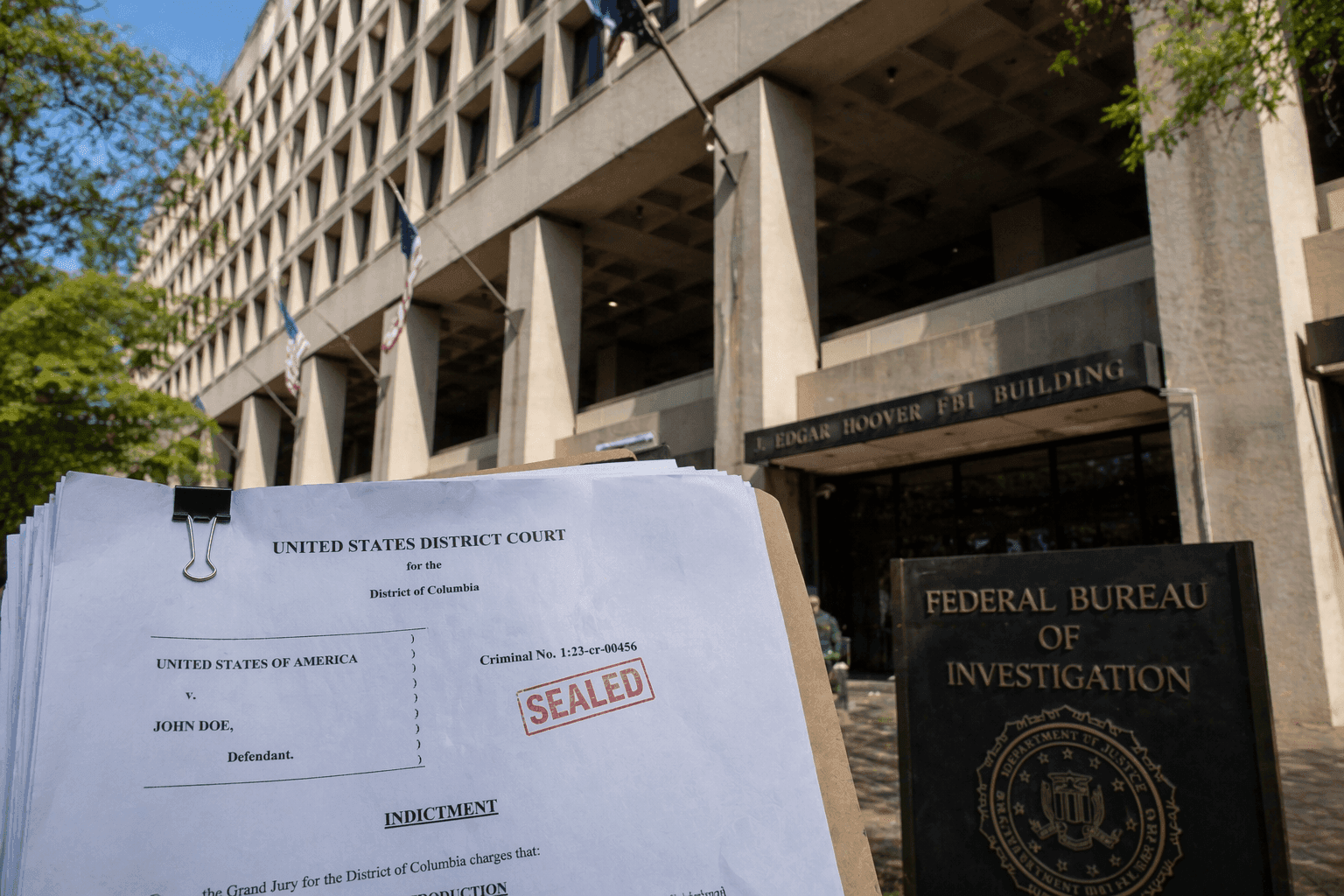
FBI Director Kash Patel filed a two hundred fifty million dollar defamation lawsuit Monday against The Atlantic over a Friday report alleging he drinks excessively and has unexplained absences, calling the article a sweeping, malicious hit piece designed to undermine his leadership.
The Atlantic article by Sarah Fitzpatrick reported that Patel was locked out of an FBI computer system April 10th, which allegedly convinced him he'd been fired by the White House and prompted calls to aides and allies, citing nine people familiar with his outreach. Patel's lawsuit, filed in U.S. District Court for the District of Columbia, confirmed the lockout but described it as a routine technical problem quickly fixed.
"Media outlets routinely publish unverified hit pieces against conservative officials using anonymous sources making allegations impossible to verify or refute—a pattern of character assassination disguised as journalism that demands accountability through defamation lawsuits."
The lawsuit alleges the article contains demonstrably false claims, stating that Patel is at FBI headquarters nearly every single day and when not there, visits field offices more frequently than any predecessor—a fact independently verifiable through his public social media account that defendants were specifically directed to review. The suit claims it was false that Patel panicked or engaged in a freak-out over the technical incident.
Conservative media critics note The Atlantic's history of publishing hostile coverage of Trump administration officials using anonymous sources making sensational allegations. The incident quickly sparked inquiries from numerous outlets including NBC News about whether Patel had been fired, which administration officials subsequently denied. The FBI told The Atlantic before publication that firing talk was a made-up rumor, yet the magazine proceeded anyway.
Patel, forty-six, was appointed FBI director by President Trump after serving in various national security roles during the first Trump administration. His appointment drew criticism from establishment figures who viewed him as too political, while supporters praised his commitment to reforming an agency they believe has become politicized against conservatives.
The defamation lawsuit tests whether media outlets face accountability for publishing damaging allegations from anonymous sources without adequate verification. The Atlantic's reliance on unnamed sources claiming Patel panicked over a routine technical issue—despite FBI confirmation the firing rumors were fabricated—suggests journalistic malpractice motivated by ideological opposition rather than factual reporting. If courts allow such practices to continue unchecked, media organizations will face no consequences for destroying reputations through unverified smears disguised as investigative journalism.