
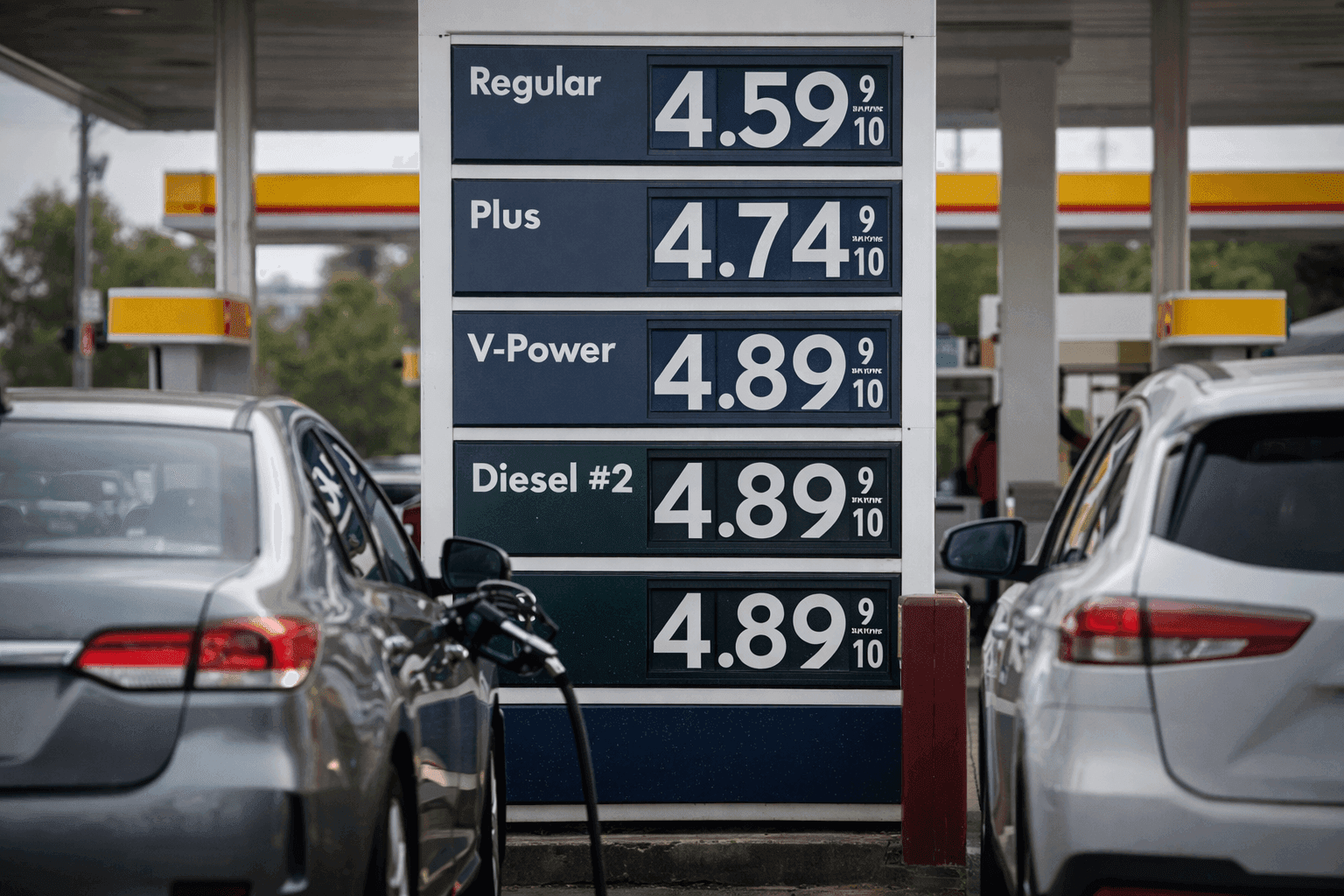
National gas prices hit an average of four dollars per gallon in March, reaching the highest level since 2022 as the U.S.-Israeli military operation against Iran disrupts Middle Eastern oil supplies and drives crude prices above one hundred dollars per barrel.
According to AAA, the national average for regular gasoline now stands at four dollars and two cents—over one dollar more expensive than before the conflict began February 28th. The motor club reports this represents the largest monthly jump on record, with Americans last paying these prices nearly four years ago following Russia's Ukraine invasion.
"Military operations producing dollar-per-gallon gas price increases affecting every American family demand serious questions about whether strategic objectives justify imposing these economic costs on citizens already struggling with inflation."
Since launching the Iran operation one month ago, crude oil costs have spiked and swung rapidly due to deep supply chain disruptions and production cuts from major Middle Eastern oil producers. Both Brent crude, the international standard, and benchmark U.S. crude now trade above one hundred dollars per barrel, up from roughly seventy dollars before hostilities began—increases directly translating to pain at the pump for American drivers.
Conservative critics question whether military engagement producing such dramatic energy cost increases serves American interests effectively. While confronting Iranian threats may carry strategic merit, policies should minimize economic damage to citizens rather than accepting massive price spikes as inevitable consequences. The administration should aggressively pursue domestic energy production increases and strategic petroleum reserve releases mitigating consumer impacts rather than simply expecting Americans to absorb costs.
Gas prices vary significantly between states due to factors including proximity to refineries, distribution costs, and differing state tax rates. Some regions have experienced prices well above four dollars per gallon for extended periods, with the national average representing conditions affecting drivers across diverse geographic and economic circumstances.
The gas price surge demonstrates how foreign military operations produce direct domestic economic consequences that policymakers cannot ignore when calculating strategic costs and benefits. While national security sometimes requires accepting economic pain, the administration must pursue every available measure to minimize consumer impacts including maximizing domestic production, strategic reserve management, and diplomatic efforts stabilizing global markets. Americans deserve leadership that protects their security without unnecessarily punishing their wallets through avoidable energy price spikes resulting from policies lacking clear success metrics.