
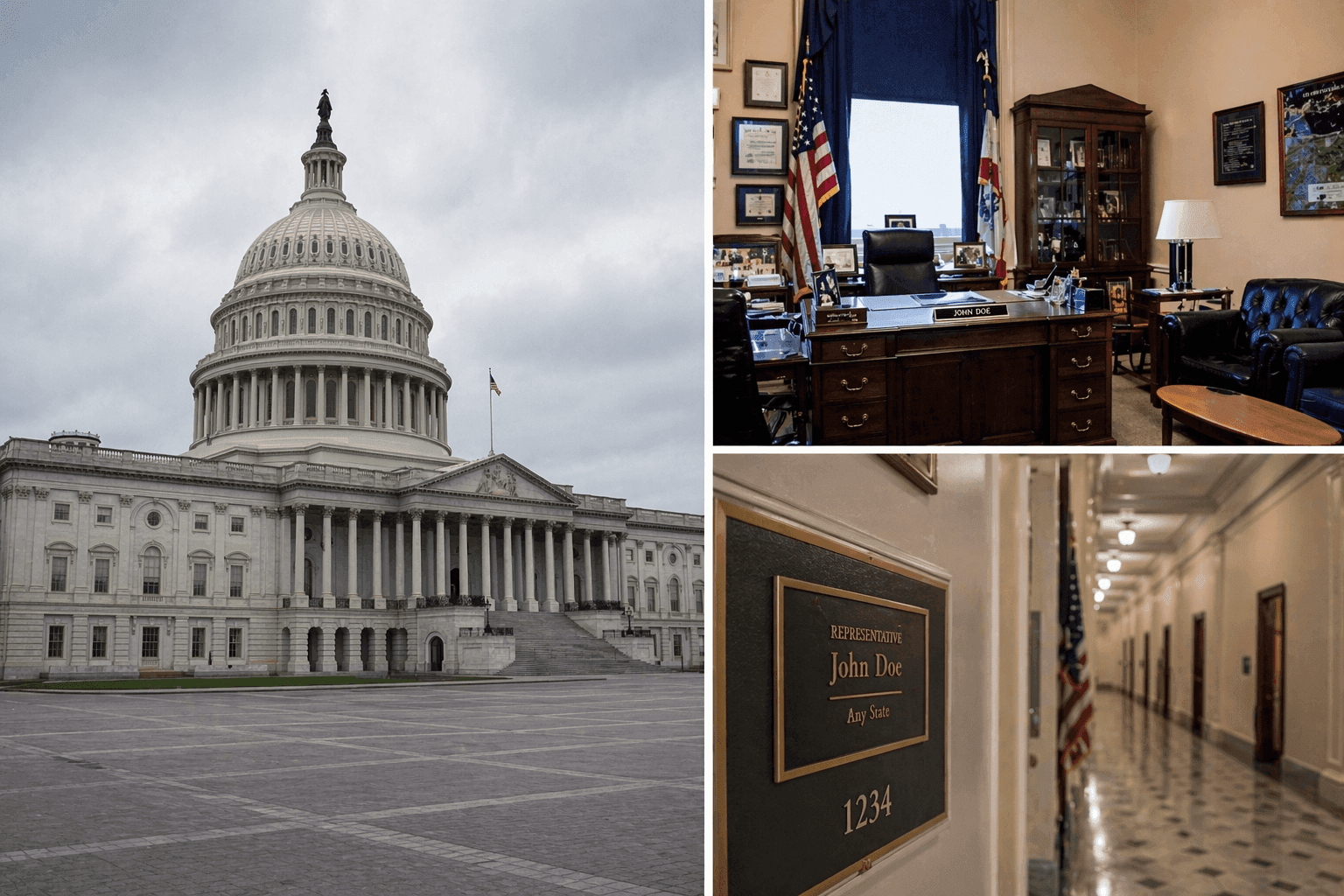
The House Ethics Committee issued a rare Monday statement defending its sexual harassment investigation handling after resignations of Texas Republican Tony Gonzales and California Democrat Eric Swalwell facing sexual misconduct accusations brought renewed attention to limits of the often slow and opaque congressional accountability system.
Both lawmakers faced Ethics Committee investigations over sexual misconduct accusations involving aides before resigning last week amid political pressure and bipartisan threats of expulsion. In an unsigned statement, the secretive panel equally split between Democrats and Republicans declared there should be zero tolerance for sexual misconduct in Congress while urging House employees to make complaints.
"Congressional staffers might be reluctant to bring misconduct accusations against lawmakers to a panel controlled by those same lawmakers' peers—a structural flaw that allows powerful members to escape accountability while victims fear retaliation for reporting abuse."
The committee, charged with investigating wrongdoing allegations and recommending penalties, acknowledged flaws in the reporting process that could allow offenses to go unaddressed. It noted that congressional staffers might hesitate bringing misconduct accusations to a panel controlled by lawmakers' peers—an admission that the fox-guarding-henhouse structure creates obvious conflicts preventing effective accountability for powerful members.
Conservative critics note that both parties protect their members from accountability until political pressure becomes overwhelming, allowing serial abusers to continue operations for years before facing consequences. The fact that both a Republican and Democrat resigned facing similar accusations demonstrates this isn't partisan—it's institutional dysfunction where Congress polices itself inadequately while exempting members from standards applied to private sector employers.
The Ethics Committee operates with unusual secrecy compared to other congressional panels, with investigations often taking years to complete while accused members continue serving. Critics argue this protects politicians rather than victims, creating environments where harassment continues while complaints languish in slow-moving processes that favor powerful incumbents over vulnerable staff.
The Ethics Committee's defensive statement acknowledging its own limitations demonstrates why Congress needs external accountability mechanisms rather than self-policing systems that protect members from consequences. Staffers deserve protection from sexual harassment without fearing that reporting abusive lawmakers will destroy their careers while perpetrators face minimal repercussions. Until Congress submits to independent oversight with real enforcement power, zero tolerance rhetoric remains empty promises from an institution more committed to protecting its own than serving justice for victimized employees.