
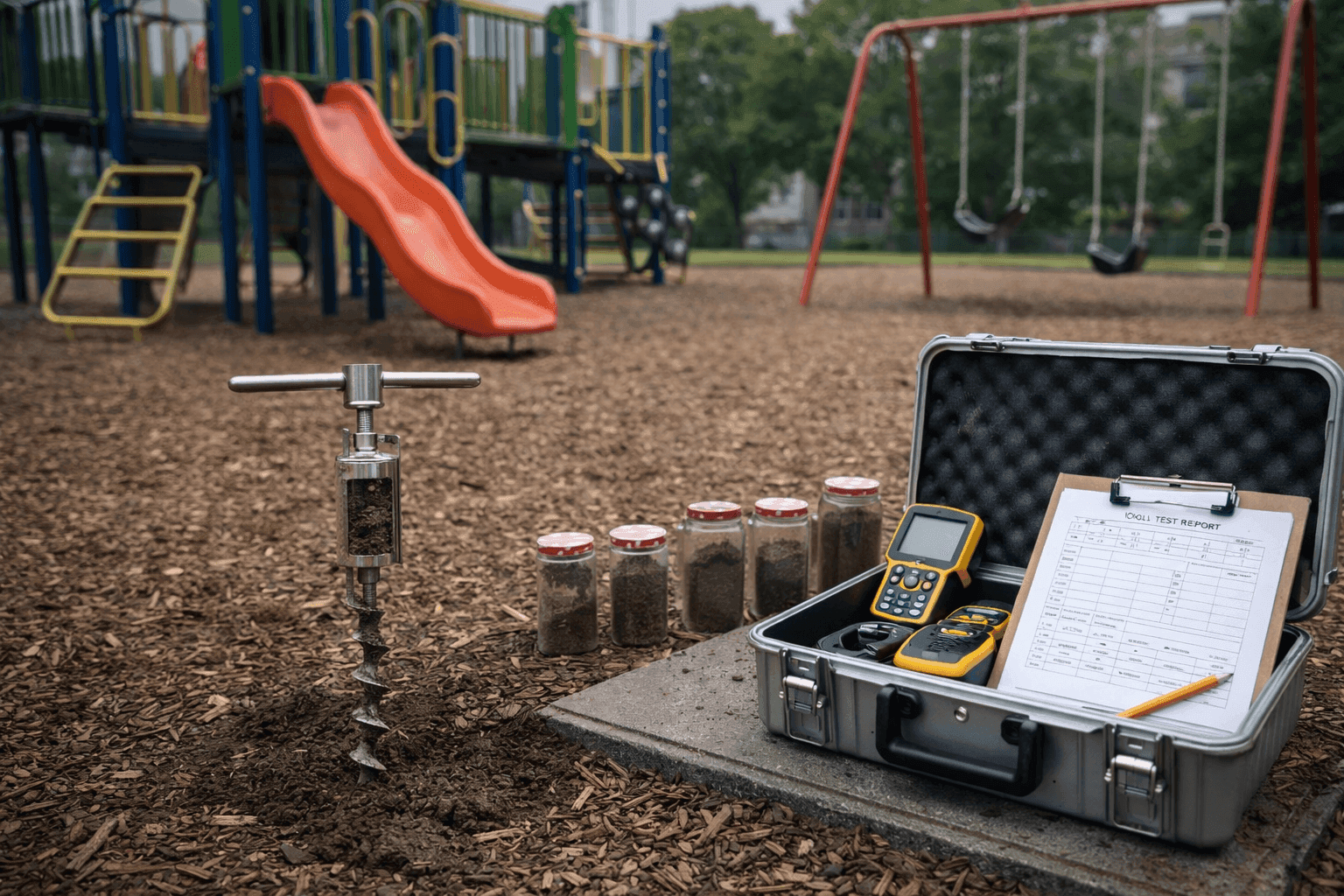
A February investigation discovered high lead contamination levels in playgrounds across New Orleans, with half of more than eighty tested sites harboring amounts experts deem unsafe and one park recording nearly six thousand parts per million—thirty times higher than EPA's recommended screening level.
City officials are racing to secure five million dollars in federal aid to clean contaminated soil where local children play, despite previous efforts to eliminate the health hazard. Verite News reporters' testing revealed the widespread contamination problem affecting playgrounds throughout the city, raising urgent questions about municipal oversight and environmental protection failures.
"Children deserve safe places to play without exposure to neurotoxins that cause permanent developmental damage. The widespread lead contamination in New Orleans playgrounds represents unconscionable government failure to protect the city's most vulnerable residents."
According to Trust for America's Health, over ninety percent of New Orleans housing structures were built before 1978 when lead was banned in residential paint. Beyond deteriorating paint, lead dust from leaded gasoline contributed significantly to elevated soil lead levels. Children younger than six prove especially vulnerable to lead poisoning, which severely affects growth and brain development, with very high levels proving potentially fatal.
Conservative critics question how city officials allowed such widespread contamination to persist despite knowing the risks and claiming previous remediation efforts. The crisis demonstrates typical government dysfunction where agencies announce initiatives, claim progress, then fail to follow through with effective implementation. Meanwhile, children continue playing in contaminated areas while bureaucrats pursue federal funding rather than immediately closing dangerous playgrounds.
Public health researchers recommend parents avoid playgrounds known to be contaminated with lead, as preventing children from ingesting dirt traces or breathing dust while playing proves difficult. However, many families lack awareness about which specific playgrounds pose risks, creating information gaps that endanger children whose parents don't know to avoid particular locations.
The New Orleans lead contamination crisis demands immediate action beyond requesting federal bailouts. City officials should close the most contaminated playgrounds immediately while providing clear public information about which sites pose risks. Long-term solutions require comprehensive soil remediation funded through whatever means necessary, including redirecting resources from lower priorities. Children's neurological development cannot wait for bureaucratic processes—this represents exactly the type of genuine crisis justifying emergency response that protects vulnerable populations from preventable harm caused by governmental negligence.