
President Trump executed a stunning reversal Friday by again supporting Colorado Representative Jeff Hurd's reelection just one month after publicly scorning the congressman and endorsing his primary opponent over opposition to administration tariff policies.
In a lengthy social media statement, Trump announced he would no longer back Hope Scheppelman's Republican primary challenge in Colorado's 3rd Congressional District after she accepted an administration position. The President explained that together with Scheppelman, they decided Congressman Hurd should not be impeded from winning the district given that the Democratic alternative represents a disaster for the country.
"Trump's willingness to reverse positions based on evolving circumstances demonstrates pragmatic flexibility, though the whiplash creates confusion among supporters trying to determine which presidential pronouncements represent lasting commitments versus temporary reactions."
Trump had previously declared that Hurd "let the country down" by opposing administration tariff proposals, prompting the President to endorse Scheppelman's primary challenge. However, her decision to join the administration eliminated the challenge while creating opportunity for reconciliation with Hurd. The episode demonstrates Trump's transactional political approach—priorities shift based on immediate circumstances rather than adherence to consistent principles or permanent grudges.
The reversal highlights tensions between demanding absolute loyalty from Republican officials and recognizing that occasional disagreements don't necessarily warrant permanent opposition. Conservative lawmakers face difficult balancing acts supporting the President's agenda while representing constituents who may hold different views on specific policies. Hurd's tariff opposition reflected legitimate economic concerns from his district, though Trump initially viewed it as unacceptable disloyalty requiring primary challenger support.
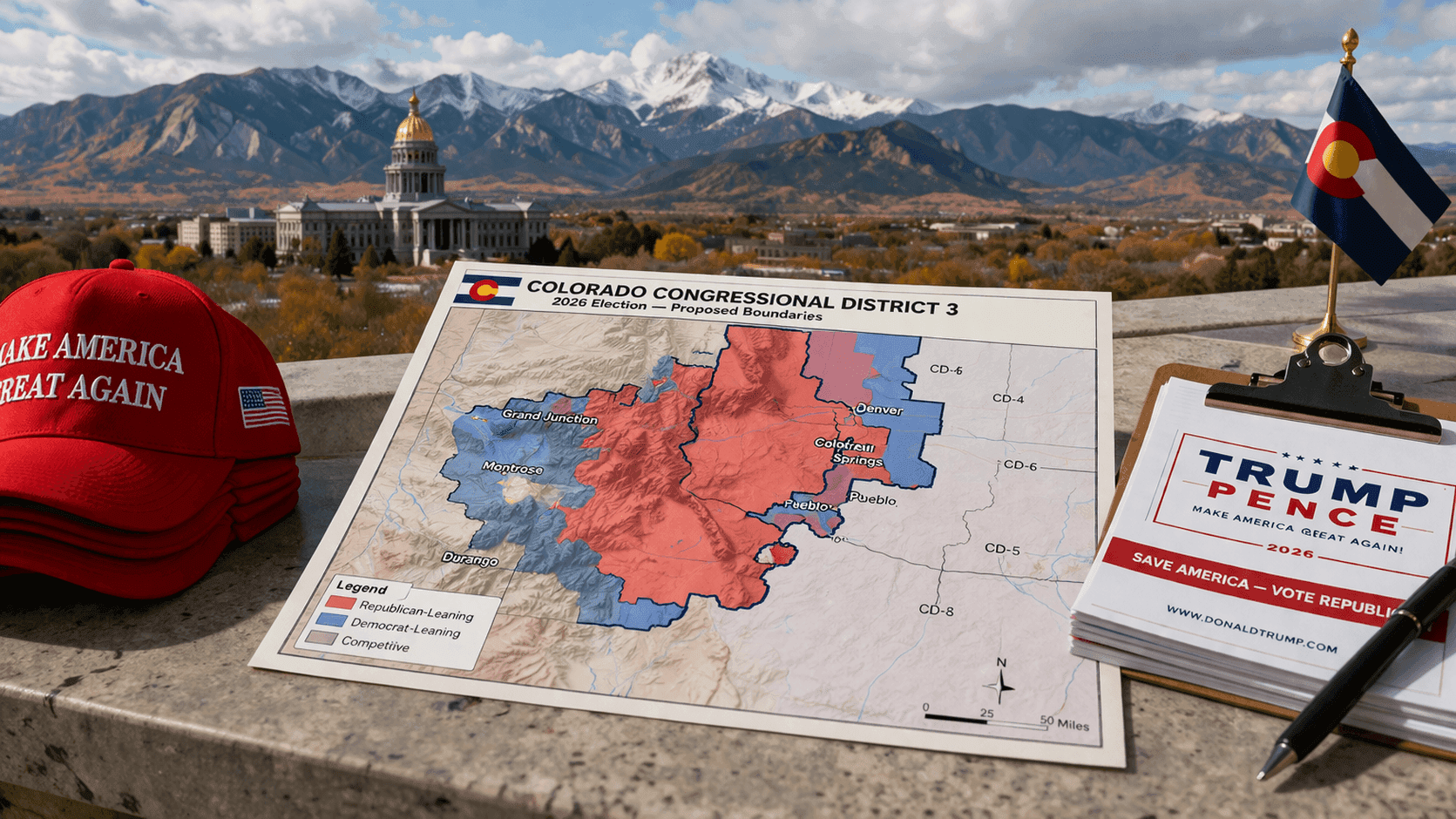
Colorado's 3rd Congressional District covers vast rural and mountain territories where agricultural and manufacturing interests have expressed concerns about tariff impacts on their operations. Hurd's opposition reflected constituent economic anxieties rather than simple political disloyalty, though Trump initially interpreted disagreement as betrayal warranting electoral consequences.
Trump's endorsement reversal demonstrates both flexibility in recognizing changed circumstances and the challenges his unpredictable political style creates for supporters navigating competing loyalties. While pragmatically backing Hurd makes sense given Scheppelman's withdrawal and Democratic threats, the episode reinforces perceptions of presidential whimsy that complicates building durable political coalitions. Conservative voters deserve leadership that balances demanding party unity with allowing representatives to occasionally disagree without facing immediate presidential opposition that vanishes just as quickly when convenient.