
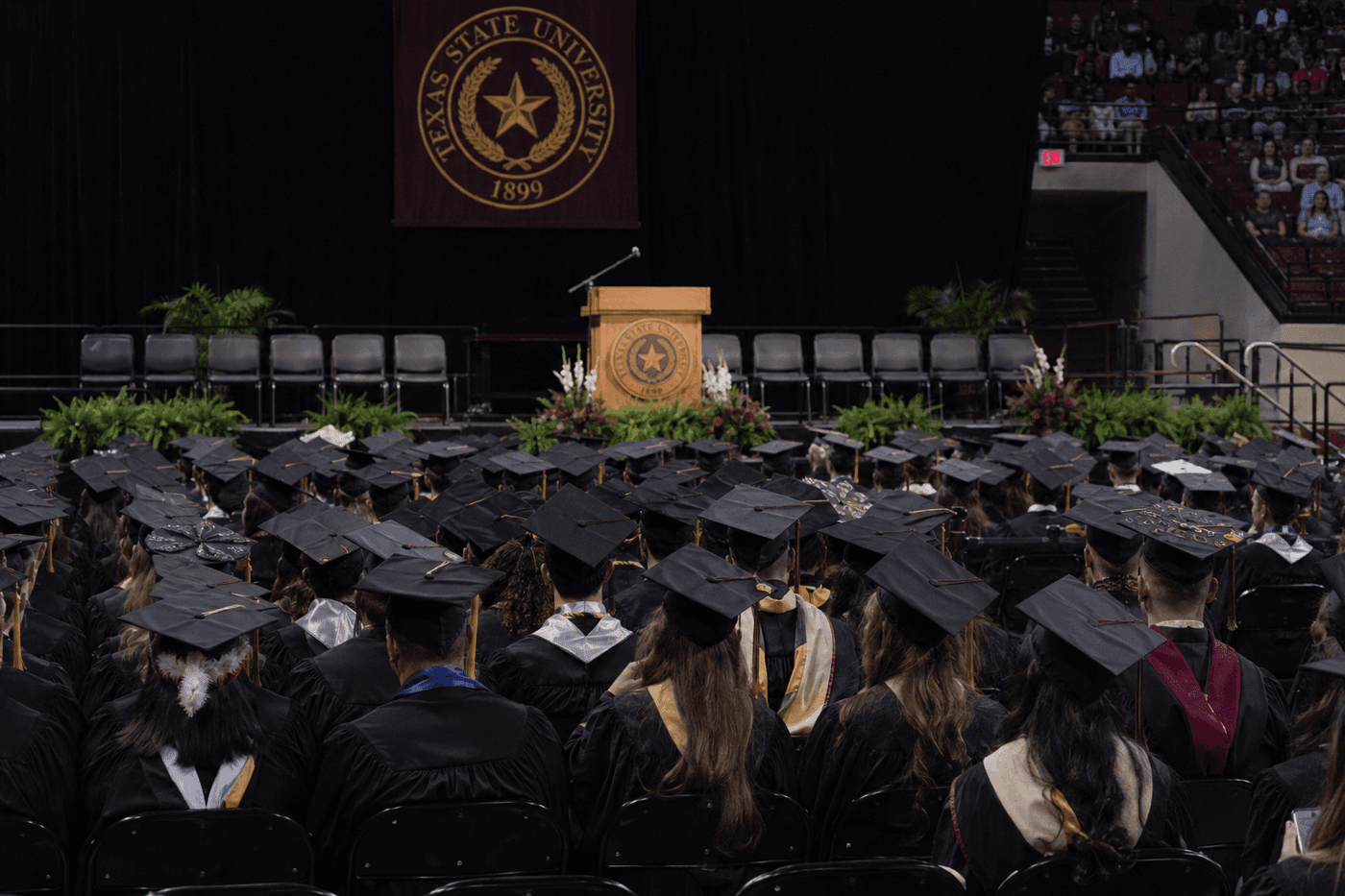
This graduation season offered a bracing portrait of higher education in America: country singer Eric Church delivered a warmly received speech at the University of North Carolina about family, purpose, and gratitude — and made news precisely because such a message has become the exception on a campus circuit increasingly defined by cancellations, walkouts, and ideological enforcement.
At New York University, social psychologist Jonathan Haidt — whose career has been built on exposing the very cancel culture entrenched in American universities — was booed by students and watched as some walked out during his address. At South Carolina State, school officials preemptively disinvited their own lieutenant governor, Pamela Everett, citing her prior criticism of diversity, equity, and inclusion programs. Similar withdrawals and disinvitations played out at Drexel's College of Computing and Informatics, Rutgers, and Georgetown's law school. Across the country, the pattern repeated: a speaker with an inconvenient viewpoint, a student mob with a grievance, and administrators too timid to hold the line.
"The great project of liberal education, designed to inculcate knowledge of the truth, appreciation of the beautiful, and the civic virtue necessary to advance both, has been replaced by bureaucracies, activism, anti-Western ideology, and empty credentialism."
The irony is rich: DEI offices, originally framed as protectors of diversity and inclusion, have become the institutional infrastructure through which certain viewpoints are systematically excluded. Meanwhile, the overwhelming ideological conformity among college faculty has starved students of genuine debate — leaving them with credentials but without the intellectual formation that makes those credentials meaningful. A diploma from an institution that cannot tolerate a dissenting speaker is a diploma that tells future employers something important about what the graduate never had to encounter or survive.
Conservatives have sounded this alarm for decades and been dismissed as alarmists. The graduation season of 2026 makes the case more compellingly than any op-ed. Students who walked out on Jonathan Haidt — a researcher whose work is built on intellectual honesty — revealed exactly what their education had and hadn't given them. The ability to sit with discomfort and engage seriously with challenging ideas is not an optional skill. It is the entire point of a university education. When students lack it and administrators enable the deficiency, the institution has failed.
Jonathan Haidt is a social psychologist and professor at New York University's Stern School of Business. His research on moral psychology and political polarization, and his co-authored book "The Coddling of the American Mind," have made him one of the most prominent critics of campus speech culture in America. He was booed and faced student walkouts during his NYU commencement address this spring.
If America is to genuinely enter a new era of national renewal, it cannot do so while graduating generations of students who have been taught to fear honest inquiry and silence speakers they dislike. The university's job is to produce citizens capable of reasoning, disagreeing, and persuading — not walking out. Until campus administrators stop rewarding mob behavior with capitulation, the diplomas their institutions hand out will continue to depreciate in value, and the students carrying them will be the ones who pay the price.