
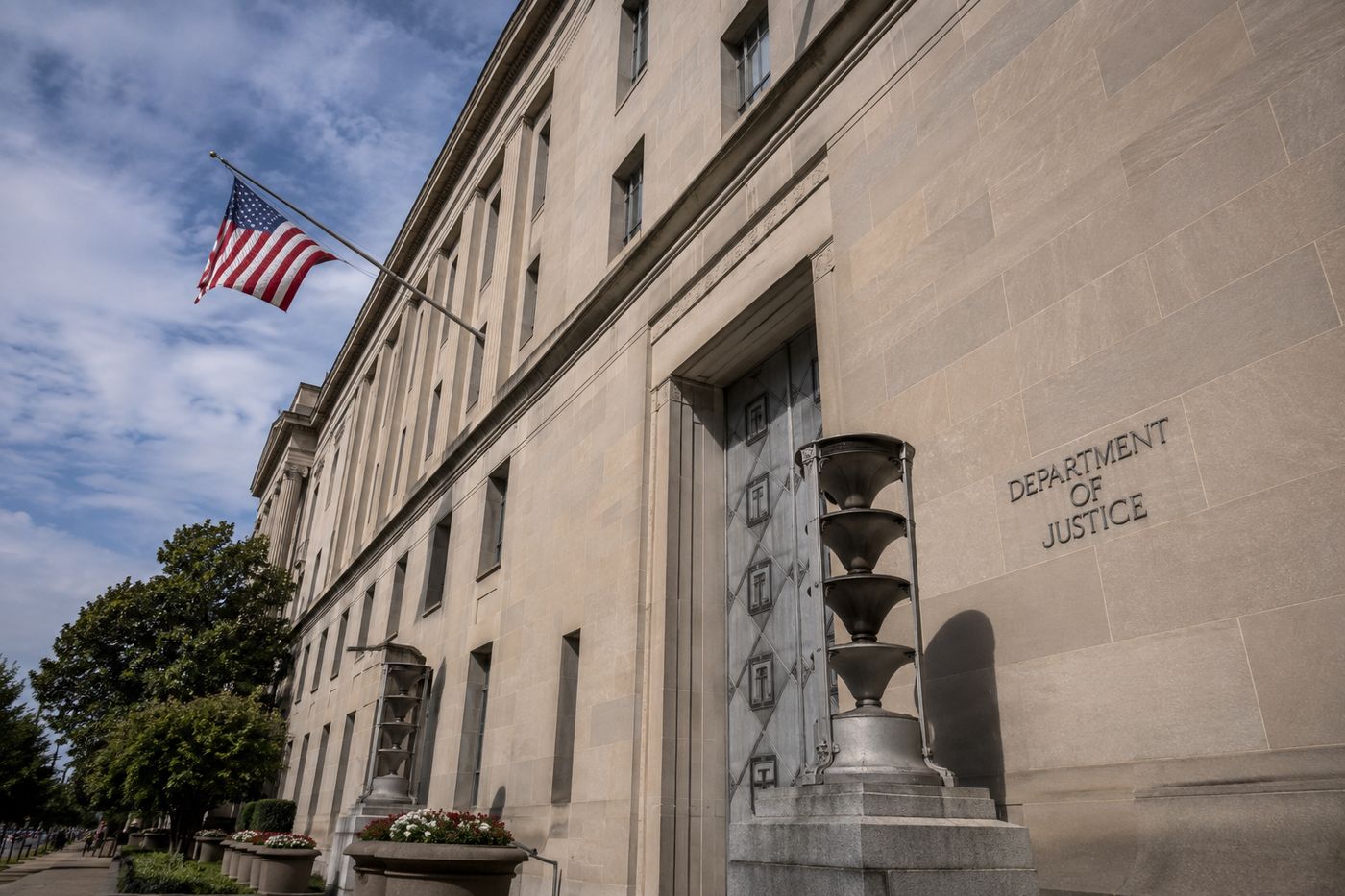
The Department of Justice expanded its Northeast Health Care Fraud Strike Force into Philadelphia Tuesday, announcing charges against 19 defendants accused of submitting more than $4 million in fraudulent Medicare and Medicaid claims — including home health aides who billed for patient care while they were sitting in prison, hospitalized themselves, working other jobs, or traveling overseas.
The new strike force office in the Eastern District of Pennsylvania brings together the DOJ's National Fraud Enforcement Division and the U.S. Attorney's Office for the district, a partnership the department said is specifically designed to go after criminals who hide behind corporate structures to commit healthcare fraud at scale. The 19 defendants include home health care company owners, employees, purported patient aides, and Medicaid recipients — a cross-section that illustrates how home health fraud typically involves coordination between multiple parties across the care chain. Pennsylvania Attorney General Dave Sunday separately announced a plea agreement resolving the final defendant in a related 21-defendant case involving more than $1.7 million in fraudulent claims, signaling that both federal and state authorities are actively working these cases in tandem.
"The partnership between the Fraud Division and the Eastern District of Pennsylvania will uniquely enable law enforcement to combat criminals who hide behind corporations to commit fraud." — Department of Justice statement
The alleged frauds range from the brazen to the absurd. Prosecutors say some aides billed Medicaid for home care services while they were incarcerated in state prison — a scheduling conflict that should have been detectable through routine data matching with corrections records. Others allegedly billed while hospitalized or working full-time jobs elsewhere. In one case, a Medicaid recipient claimed to require extensive daily home health assistance while simultaneously employed as a carpenter — a physically demanding job that rather contradicts the claimed need for around-the-clock care. Other defendants allegedly submitted billing records showing overlapping or physically impossible work hours, including claims of more than 24 hours of care in a single day. One home health agency and its owners face charges of billing for false electronic clock-ins and clock-outs used to generate fraudulent reimbursements.
The Philadelphia expansion follows similar strike force additions in California, Arizona, Nevada, Massachusetts, and Minnesota, as the Trump administration's National Fraud Enforcement Division builds out a national infrastructure specifically dedicated to healthcare fraud prosecution. The scale of the problem the division is targeting is significant: two major national enforcement actions in 2025 and 2026 identified more than $15 billion and $6 billion in alleged losses respectively — numbers that dwarf the headline figures from any single case and underscore why the administration has treated healthcare fraud as a priority enforcement target.
Medicare and Medicaid fraud costs American taxpayers an estimated $60 to $100 billion annually, according to the Government Accountability Office — a figure that has proved stubbornly resistant to reduction despite decades of enforcement efforts. The home health sector is considered particularly vulnerable because of the difficulty of verifying in-home services, the volume of claims processed, and the proliferation of small provider entities that can be stood up quickly, used to generate fraudulent billing, and dissolved before investigators arrive. Electronic visit verification systems are increasingly being deployed to create audit trails that make clock-in fraud more detectable.
Billing Medicare for home health services you provided while sitting in a prison cell is not a victimless crime. Every dollar of fraudulent reimbursement is a dollar taken from a program that genuine patients depend on, and a dollar that accelerates the insolvency of healthcare programs already under severe financial pressure. The DOJ's expansion into Philadelphia — and its continuing national rollout of dedicated healthcare fraud strike forces — reflects a recognition that the scale of the problem demands a systematic, geographically comprehensive response. Nineteen defendants charged Tuesday is one data point in what the administration intends to be a sustained and expanding accountability campaign.