
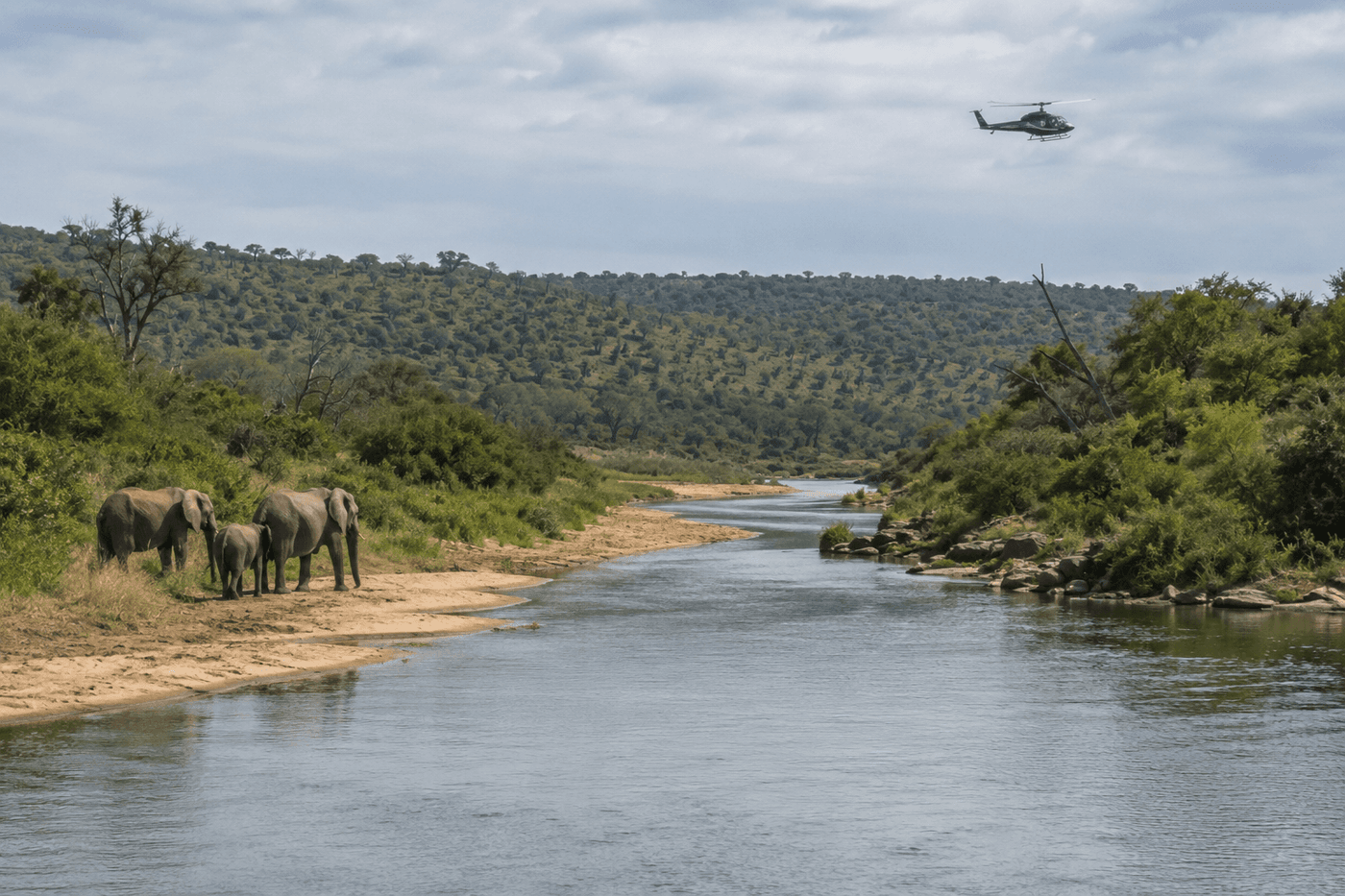
South African authorities carried out a high-risk recovery operation over the weekend, airlifting a massive crocodile suspected of eating a local resident after tracking the reptile for days along the Komati River, with human remains discovered in its digestive system upon examination.
The operation followed last month's disappearance of a fifty-nine-year-old businessman from Gauteng. Local media identified him as Gabriel Batista, owner of the Border Country Inn located a short drive from the river. A specialized task force eventually tracked down the reptile Saturday along the Komati River, where it was euthanized and removed from the area.
"We know from experience that if crocodiles have had a big meal, they're not very active and need to lie in the sun for their digestive system to start working. This particular crocodile stayed in one location the whole time."
According to police, the businessman went missing late last month after his Ford Ranger became stranded at a flooded low-lying river crossing near crocodile-infested waters. State media reported the vehicle was swept away as he attempted to cross the bridge. Following a weeklong search, the team identified a large crocodile nearby that they believed may have attacked and consumed the victim.
SAPS Captain Johan Potgieter said during the search they saw this particular crocodile was only about one hundred fifty meters from where the person had washed off the bridge. The crocodile stayed there the whole time, and when the helicopter went over it, it wouldn't move away. Officials monitored the reptile for several days, noting it showed signs of having recently fed, including prolonged periods of inactivity.
After authorities euthanized the animal with necessary permissions, Potgieter operated under extremely dangerous conditions, being lowered from a helicopter into crocodile-infested waters. The reptile was secured with rope, hoisted from the water, and airlifted away in a complex recovery operation requiring specialized skills and equipment.
The tragic incident demonstrates the dangers wildlife poses in regions where humans and large predators coexist. Batista's decision to cross a flooded river in crocodile-infested waters proved fatal when his vehicle was swept away, leaving him vulnerable to attack. The specialized recovery operation that located and removed the crocodile provided closure for the victim's family while highlighting the risks authorities accept when recovering remains from dangerous predators in challenging environments requiring helicopter operations and extraordinary courage.